
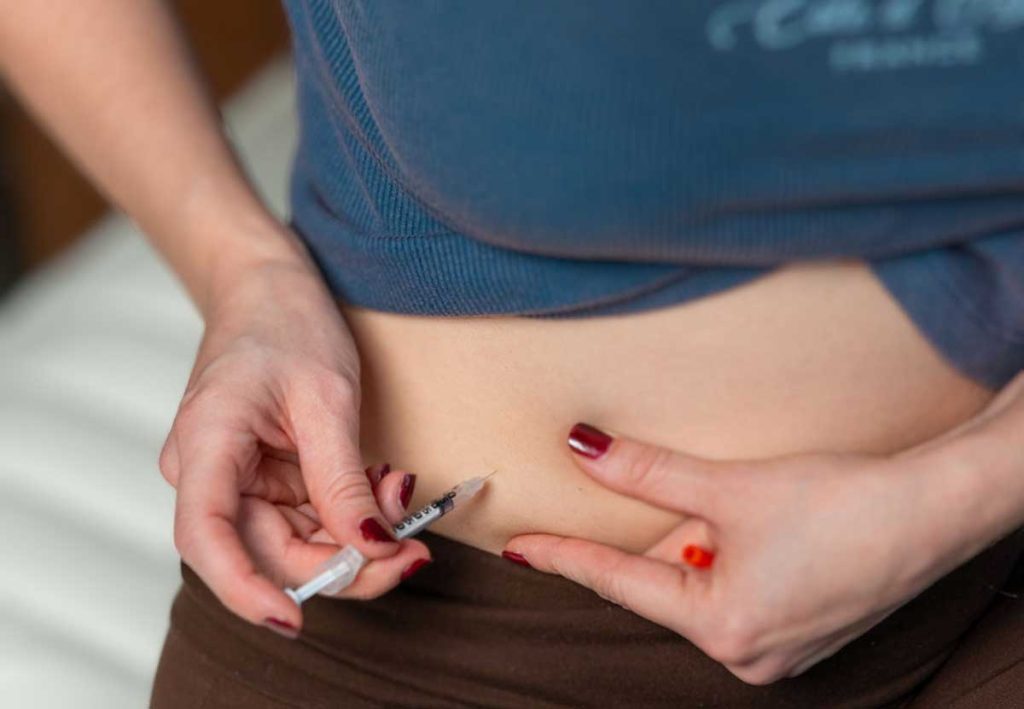
You may have heard the words semaglutide, tirzepatide, and Ozempic and not been sure how they differ. Almost nobody is. Most people talk about Ozempic as if it were its own drug, when it is really one brand of semaglutide, and that is where the confusion starts. These have far more in common than the names make it sound.
We prescribe two of these at Onyx and we get asked to explain the difference several times a week, so here is the version we give patients across the desk.
Semaglutide and tirzepatide are the medications themselves. Ozempic is one brand of semaglutide. Tirzepatide is sold under the names Mounjaro and Zepbound.
The differences that actually matter to you come down to five things. How each one works, what it is approved to treat, how much weight people tend to lose, what the first month feels like, and what it costs.
Which of these we actually prescribe at Onyx
We prescribe semaglutide and tirzepatide, both as the once-weekly injection. That is what we have built our dosing and follow-up around, and it is what we know how to run well.
The more useful thing to know is that the medication is not the whole plan. It handles appetite. It does not tell you why your body started holding weight in the first place, and that is usually where the answer is. Thyroid, insulin resistance, a hormone shift in your forties, PCOS (now officially PMOS), or a medication you are already taking will all hold weight in place no matter which of these you pick. We run the labs first, treat what we find alongside the medication, and stay with you while it works.
Semaglutide and tirzepatide side by side
Here is the difference in the terms that actually affect your week.
| Semaglutide | Tirzepatide | |
|---|---|---|
| Brand names you have heard | Ozempic | Mounjaro, Zepbound |
| What we prescribe at Onyx | Semaglutide | Tirzepatide |
| How often you take it | One injection a week | One injection a week |
| What most people notice first | Less hunger, and smaller portions starting to feel normal | Less hunger, and often less puffiness and inflammation |
| Typical weight change in studies | Around 15% of body weight | Around 20% |
| What the first month feels like | Some nausea while your body adjusts | Usually milder, especially if you have used semaglutide before |
| Who it tends to suit | Appetite is the main thing driving the weight | Weight along with inflammation, PCOS (now officially PMOS), or perimenopause |
| Brand versions FDA-approved for weight | Yes | Yes |
What is semaglutide?
Semaglutide is a medication that helps reduce appetite. It mimics a peptide hormone your body naturally produces, called GLP-1, which signals your brain that you have had enough to eat.
What that feels like day to day: you get full sooner, you stay full longer, and the constant background thought about what you are going to eat next goes quiet. Most of our patients notice that part before the scale moves at all, and it is usually the thing they mention first.
Semaglutide is the medication itself. You have almost certainly met it under a brand name instead, because that is how it got famous. Ozempic is semaglutide. So is the higher-dose version sold specifically for weight. Those are manufactured, brand-name products, and they are what most people picture when they hear GLP-1.
That is not what we dispense. At Onyx you get compounded semaglutide, prepared for you by a compounding pharmacy we have vetted, given as a weekly injection. We start you low and raise the dose slowly, so your body has time to adjust and you get fewer stomach side effects. It is worth understanding the difference between compounded and brand, and we go through that further down.
Where does Ozempic fit in?
Ozempic became the word people use for this whole category, and a lot of people are taking it to lose weight right now. That is real, and it is worth being straight about rather than pedantic.
Here is the part that trips everyone up. Ozempic is semaglutide, and its FDA approval is for blood sugar in adults with type 2 diabetes, along with lowering certain heart and kidney risks in that group. The same semaglutide is approved for weight specifically, at a higher dose, under a second brand. When a doctor writes Ozempic for weight loss, that is off-label prescribing, which is legal, common, and not a scandal.
None of which changes what the medicine does. It is the same class working the same way, and the reason people reach for the word Ozempic is simply that it got famous first.
What matters for your decision is which one you are actually being handed, and at what dose. Some clinics put you on a brand. We prescribe compounded semaglutide, dosed for weight, and you will always know exactly what you are on and why.
What is tirzepatide?
Tirzepatide works a bit differently than semaglutide. It works on two of your body’s hunger signals instead of one. Both of those signals affect appetite, blood sugar, and how your body uses energy.
Tirzepatide has the same brand-versus-compound split as semaglutide. You have probably heard it as Mounjaro, whose approval is type 2 diabetes, or Zepbound, which is approved for weight specifically and for sleep apnea in people with obesity. Plenty of people take either one to lose weight.
As with semaglutide, we do not dispense those brands. We prescribe compounded tirzepatide.
Like semaglutide shots, tirzepatide is usually given once a week. The dose is raised slowly over time.
Studies have found that tirzepatide can lead to more weight loss than semaglutide for many people. But results vary from person to person. What works best for one patient may not be the best fit for another.
How much weight can you lose on semaglutide or tirzepatide?
This is one of the biggest questions people ask when comparing these two medications.
In clinical studies, people taking semaglutide for weight loss lost about 15% of their body weight on average, over roughly a year and a half. People taking tirzepatide lost more, about 20% to 22%, over a similar period.
What those percentages actually look like: if you weigh 200 pounds, 15% is about 30 pounds and 20% is about 40. If you weigh 250, it is closer to 38 and 50. That is the number worth holding on to, because a percentage is hard to picture and a dress size is not.
These numbers are averages. They are not guarantees. Some people lose more weight. Others lose less.
Your results depend on several things: the dose you reach, how your body responds, your eating habits, how active you are, and how closely you follow your treatment plan.
The medication is only one part of treatment. Regular follow-up visits matter too. They let us check your progress and adjust your plan as needed.
What side effects do semaglutide and tirzepatide cause?
Semaglutide and tirzepatide tend to cause similar side effects. Most affect your stomach and digestion. They can include:
- Nausea
- Diarrhea
- Constipation
- Stomach pain
- Heartburn
- Tiredness
- Irritation where you got the shot
These are usually strongest in the first week or two after you start, and again for a few days after each dose increase. They tend to settle as your body adjusts.
What that actually looks like: most people describe feeling full early and a bit queasy in the evening, and most of it is gone within a few days. It is also the reason we raise your dose slowly rather than moving everyone up on the same schedule. If it is not settling, we hold you where you are instead of pushing forward, and for most of our patients that is the difference between staying on treatment and quitting in month two.
This is one reason your doctor at Onyx raises the dose slowly instead of starting high right away.
If you already deal with frequent stomach issues, or you tend to be sensitive to medications, tell your doctor at Onyx before you start. Higher doses of tirzepatide can sometimes cause more stomach side effects, but both drugs can cause similar symptoms.
Who should not take semaglutide or tirzepatide?
Semaglutide and tirzepatide aren’t right for everyone. Your doctor at Onyx should review your full medical history before prescribing either one.
Boxed warning
One major concern is a personal or family history of medullary thyroid carcinoma, a rare type of thyroid cancer, or a condition called multiple endocrine neoplasia syndrome type 2, known as MEN 2. Both medications carry a boxed warning, the FDA’s strongest type of safety warning, about thyroid tumors, based on animal studies. People with these conditions are usually told to avoid both drugs.
A history of pancreatitis, which means inflammation of the pancreas, is another thing your doctor at Onyx needs to know. It’s been reported in people taking these medications, though it’s not common.
Severe stomach pain that doesn’t go away, especially pain that spreads to your back, should be checked by a doctor right away.
These aren’t the only things to consider. Your doctor at Onyx should look at your full medical history, current medications, and other health conditions before deciding if semaglutide or tirzepatide is right for you.
What do semaglutide and tirzepatide cost in Gilbert?
Weight loss care at Onyx is out of pocket. Insurance does not cover semaglutide or tirzepatide for weight, so that is worth knowing before you start.
We prescribe both through a small number of pharmacies we have vetted, and your office visit and your medication are billed by us rather than by the pharmacy. Your dose changes what you pay, so the number moves as your plan does.
Ask for the whole number before you start, not just the first month. A medication only works if you can afford to stay on it long enough to get somewhere, and that is a real part of choosing between these two.
Call us at (480) 531-2557 and we will walk you through what your first few months would actually cost.
What you should know about compounded medication
Compounded semaglutide and tirzepatide are what we prescribe here, so it is worth explaining what that means and what separates a good source from a bad one.
A compounding pharmacy prepares the medication rather than a manufacturer packaging it under a brand name. That is a normal, licensed part of medicine, and it is why this is affordable enough for most people to actually stay on. What it is not is unregulated. The pharmacy is licensed and inspected, and the difference between a good compounded product and a bad one comes down to which pharmacy made it.
That is the part you should ask about anywhere you go, ours included. Which pharmacy is filling this. What strength and what form. Whether you are drawing your own dose out of a multidose vial, because that is where mistakes happen, and whether someone is going to show you how.
We use a small number of pharmacies we have vetted, and we do not switch you around to chase a price. You will know what you are being prescribed, where it came from, and how to use it, because we go through it with you before your first dose.
If a clinic cannot answer those questions about its own supply, that tells you something.
Which one is right for you, semaglutide or tirzepatide?
There’s no single medication that’s right for everyone.
Tirzepatide has led to more average weight loss than semaglutide in studies. That doesn’t automatically make it the better choice for you, though. Semaglutide has also been studied extensively, and it comes as both a weekly shot and a daily pill. The pill is not as effective, so we prescribe the injection.
The right choice depends on your health history, your goals, how you respond to the medication, possible side effects, and what you can realistically afford and stick with over time.
Instead of picking based on what’s popular online, talk with a qualified healthcare provider who can look at your specific situation.
How we approach medical weight loss at Onyx
At Onyx Integrative Medicine & Aesthetics, treatment starts with understanding your goals and weight history, not just picking a medication.
Your first evaluation includes a review of your health history and individual goals. When appropriate, lab testing may include relevant metabolic markers to help guide your treatment plan.
From there, your doctor works with you on medication dosing, nutrition, activity, and strength as part of your full plan. Follow-up visits let your treatment be adjusted based on how you’re actually responding, not just what the scale says.
You can learn more about the medical weight loss program or see what to expect at your first visit.
We look for why your body is holding the weight
Most people who come to us about weight are also not sleeping well, and their cycle is off, and they are exhausted by two in the afternoon. Those are not four separate problems. They can be connected, which is why we consider the whole picture.
So before anyone writes a prescription, we look at your health history, your symptoms, your current medications, and other factors that may be affecting your weight. The goal is to understand the bigger picture before choosing a treatment approach. Finding those factors first can help your provider build a plan that fits your individual needs.
We will tell you when this is not the right tool
Not everyone who asks us about semaglutide should be on it. Some people need their thyroid treated first. Some are on a medication that is quietly driving the weight, and the answer is to change that rather than add another drug. Some are eating far too little already, and adding an appetite suppressant would make things worse.
We would rather tell you that at the first visit than take your money and let you find out in six months. You will get a straight answer either way, including what we would do instead.
What working with us actually looks like
Your first weight-loss visit runs 30 minutes, giving you time to discuss your health history, goals, and concerns. We ask what you think is going on because your perspective can provide valuable insight into what you are experiencing.
If labs are part of your evaluation, we review them with you and discuss the next step together. You will hear what we think may be happening, what we recommend, and what your options are if you would rather wait.
After that, you are not on your own. We adjust your dose based on how you are actually responding rather than following a fixed schedule. If something feels off along the way, you can call the front desk and reach someone who can help.
Book a consultation or call (480) 531-2557
Frequently asked questions
Is Ozempic the same thing as semaglutide?
Yes. Ozempic is a brand of semaglutide, approved for type 2 diabetes. The same semaglutide is approved for chronic weight management too, at a higher dose and under a different brand name. So the molecule is the same either way; the brand tells you which approval and which dose range it was sold for. What we prescribe here is compounded semaglutide as a weekly injection, dosed for weight.
Is Ozempic FDA approved for weight loss?
That brand is not, but the medicine in it is, and the difference trips up almost everyone. Ozempic is approved for blood sugar in adults with type 2 diabetes, and for lowering certain heart and kidney risks in that group. Semaglutide, the molecule inside Ozempic, is also approved for chronic weight management, at a higher dose and under a different brand name.
Some providers prescribe Ozempic off-label for weight instead, which is legal and common. We prescribe compounded semaglutide dosed for weight management, so the dose matches what you are actually treating.
Is tirzepatide the same thing as Mounjaro?
Yes. Mounjaro is a brand name for tirzepatide, approved for type 2 diabetes. Zepbound also contains tirzepatide and is approved for chronic weight management and some other weight-related conditions.
Which helps you lose more weight, semaglutide or tirzepatide?
Studies have generally found more average weight loss with tirzepatide. But results vary by person, and both medications can work well as part of the right treatment plan.
Are the side effects different between semaglutide and tirzepatide?
Both medications can cause digestive side effects such as nausea, diarrhea, constipation, stomach discomfort, and other gastrointestinal symptoms. Tirzepatide is often well tolerated, with some people experiencing mild or no side effects, while semaglutide is more commonly associated with gastrointestinal side effects. Side effects can be more noticeable when starting treatment or increasing the dose, and individual responses vary.
Can you switch from semaglutide to tirzepatide?
Some patients do switch, usually because of side effects, how they’re responding, availability, or other factors. Any switch should be planned with your doctor at Onyx, not done on your own.
Do you need a prescription for semaglutide and tirzepatide?
Yes. Both are prescription drugs. A licensed provider needs to review your health history and decide if one is right for you.
What happens if you stop taking semaglutide or tirzepatide?
You may regain weight after stopping, especially if your appetite and eating habits return to what they were before. This is one reason long-term weight management should include more than just medication.
Nutrition, activity, strength training, and ongoing support all play a role in keeping weight off.
Is compounded semaglutide or tirzepatide safe?
It depends on the specific product, how it was made, and where it came from. Compounded medications aren’t FDA-approved the same way brand-name drugs are. The FDA has raised concerns about issues like dosing errors and inconsistent quality in some compounded products.
If you’re considering a compounded medication, ask your doctor at Onyx where it’s sourced, what strength you’re getting, and how to measure your dose correctly.
This article is for general educational purposes and is not medical advice. Talk with a licensed healthcare provider about your medical history and treatment options before starting semaglutide, tirzepatide, or any prescription weight management medication.