

Each person is different. Most people get the most benefit from 1 treatment per week and 4-6 sessions in total. It is important to be consistent as you will get the most benefit when treatments are closer together (at least initially). For maintenance, 1 session every 2 to 4 weeks is typical.
Accupuncture & Cupping
Are you struggling with chronic back pain, neck pain, migraines, anxiety, or stress?
– You Don’t Have To
Experience the Pain-Relieving, Stress-Reducing, Benefits of
Acupuncture, Cupping & Chinese Medicine
Acupuncture has been used for thousands of years and has stood the test of time. Also, research studies support that acupuncture works!
Our licensed Naturopathic Doctors perform a full Traditional Chinese Medicine assessment to uncover imbalances that are causing your symptoms. Each person’s acupuncture treatment is individualized to restore imbalances, alleviate pain, and increase energy & vitality.
After an acupuncture treatment at Onyx, people note they feel extremely relaxed, calm, balanced and sleep better.
Acupuncture FAQs
How Many Acupuncture Sessions Do I Need?
Is Acupuncture the Same as Dry Needling?
Some may confuse “Dry Needling” and acupuncture. It should be noted that these are not the same thing. Furthermore, there are some significant differences to consider.
Dry needling involves the insertion of needles into ‘trigger points’ which also known as knots in the muscle. On the surface, it may look very similar to acupuncture. However, this is not the case. Physical and sports injury therapists usually offer this therapy. However, dry needling is not regulated meaning there are no requirements for the amount of training a person needs to provide this therapy. It is not unusual for a practitioner to only spend a weekend learning dry needling. This means there is no way to know if someone’s training is legitimate and satisfactory. Also, dry needling is a relatively new procedure which does not have a lot of research behind it.
Acupuncture, on the other hand, has been used for thousands of years, and there have been several research studies to support its efficacy. Acupuncture also differs from dry needling as it can help with numerous health conditions, not just pain. Also, acupuncturists and Naturopathic Doctors who perform acupuncture are trained for three to four years and must pass board exams. Moreover, they must complete yearly continuing education.
What is My First Acupuncture Treatment Like?
Your initial acupuncture visit is approximately one hour. It begins with a brief discussion on your current health concerns, past medical history, along with a limited physical examination. The Naturopathic Doctor will be assessing your symptoms from both a conventional medicine stand-point as well as a Traditional Chinese Medicine (TCM) perspective. Next, the Naturopathic Doctor will perform a TCM analysis including a tongue and pulse diagnosis. This is done to get a better understanding of which acupuncture meridians are out of balance. After, the doctor will develop an individualized acupuncture treatment plan based on what came up during the assessment.
How Does Acupuncture Work?
Acupuncture involves the insertion of fine needles into specific points on the body. It opens your body’s nerve, lymphatic, and vascular channels, which restores proper signaling and flow of blood and energy. This enables your body to deliver hormonal and nutritional resources, as well as remove metabolic wastes, which are both required for healing and to maintain health.
How Long is an Acupuncture Treatment?
Acupuncture sessions are 45 minutes to 60 minutes. Each session begins with a brief check-in with the doctor and any physical assessments that are necessary. The doctor will select acupuncture points based on your individual needs. Each acupuncture point has specific indications, such as moving stagnated tissues, which can be the cause of pain, increase digestive function, or calm anxiety. Once all the needles are inserted, the doctor will dim the lights and leave the room for 20-30minutes. This is your time to relax.
Does Acupuncture Hurt?
Acupuncture needles are very thin – comparable to the size of a thick strand of hair. Some points are more tender than others. However, most people do not find treatment to be painful.

What Can Acupuncture Help With?
Acupuncture isn’t just for pain – it helps with a variety of health conditions as a stand-alone treatment or as part of your individualized treatment plan at Onyx Integrative Medicine.
Chronic Pain
- Neck & Back Pain
- Sciatica
- Migraines, Headaches, TMJ
- Fibromyalgia

Women’s Health
- Menopause & Hot Flashes
- PMS & Painful Periods
- Endometriosis
- Infertility
Digestive Issues
- Irritable Bowl Syndrome
- Heartburn
- Gall Bladder Issues
- Indigestion

Mental Health
- Anxiety
- Depression
- Chronic Stress
- Insomnia
Nervous System
- Vertigo
- Restless Leg Syndrome
- Neuropathy
- Bell’s Palsy

Ready To Get Started?
Book your appointment today and let us help you achieve the transformation you deserve, inside and out.
Cupping & Gua Sha
Acupuncture isn’t just for pain – it helps with a variety of health conditions as a stand-alone treatment or as part of your individualized treatment plan at Onyx Integrative Medicine.
Cupping
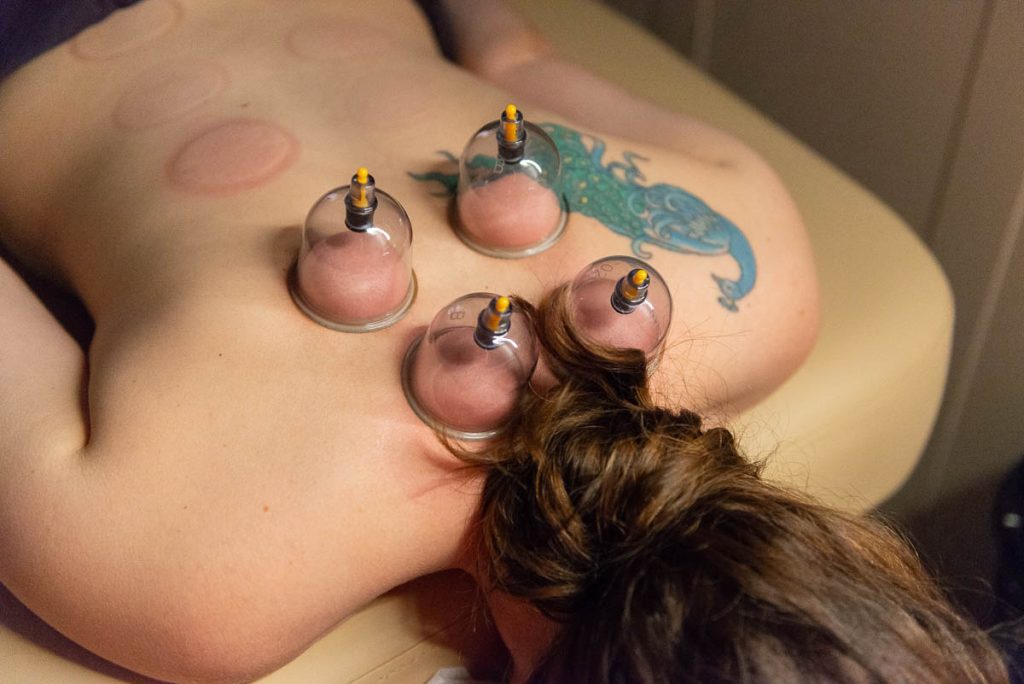
Cupping is a traditional Chinese therapy to relieve pain and tension in muscles. The treatment includes placing suctioned cups on various parts of the back and body in areas where there is pain, excessive tension, or muscle adhesions. The suctioning action of the cups reestablishes blood flow & unwinds muscle adhesions to relax the physical body & release emotional tension

Gua Sha
Gua sha is another traditional Chinese therapy to treat pain, muscle tension, and muscle adhesions. This treatment involves using a smooth, stone handheld tool that is scraped along areas of muscle tension to increase microcirculation of the soft tissue and relax muscles. Gua sha opens up energy channels in the body & relieves deep muscular tension leaving you feeling relaxed and open.