
Is a Naturopathic Doctor a Real Doctor?
If you searched “is a naturopathic doctor a real doctor,” you are probably trying to answer two practical questions.
- Is the education real and medically grounded?
- Can a naturopathic doctor legally diagnose and treat patients in my state?
The short answer is this.
A licensed Naturopathic Doctor (often written as ND or NMD) is a doctoral level clinician trained in conventional medical sciences plus natural and preventive medicine. Scope of practice depends on state law. That last line matters, because “real doctor” means different things to different people.
If you want the fastest clarity for your situation, start with the questionnaire above this article. Then come back here for the full breakdown.
What does “real doctor” mean, exactly?
Most people use the phrase “real doctor” to mean one of these things.
- Education: Did they complete a rigorous doctoral program with anatomy, physiology, pathology, labs, and clinical training?
- Licensure: Are they licensed by a state medical board or naturopathic board to practice?
- Clinical role: Can they diagnose, order labs, and create treatment plans?
- Scope: Are they allowed to prescribe medications, perform minor procedures, or serve as primary care, depending on the state?
Once you know which of these you mean, the answer becomes very clear.
Do Naturopathic Doctors go to medical school and earn a doctorate degree?
Yes. Licensed Naturopathic Doctors complete a four year graduate level program in naturopathic medical education. These programs include conventional medical sciences such as anatomy, physiology, biochemistry, pathophysiology, clinical diagnosis, pharmacology, and laboratory and imaging interpretation, along with training in nutrition, lifestyle medicine, and other natural therapies.
The degree is a Doctor of Naturopathic Medicine (ND or NMD). It is a doctorate, but it is not the same degree as an MD or DO. The training overlaps in foundational medical sciences, while the philosophy and therapeutic tools differ.
Is a Naturopathic Doctor the same as an MD or DO?
Not exactly. MDs and DOs are trained in conventional medicine and often focus on diagnosis, acute care, symptom control, and referral to specialty care when needed.
Naturopathic Doctors are trained to evaluate conventional medical issues and also emphasize prevention, root cause analysis, lifestyle and nutrition, and supportive therapies when appropriate. In practice, many patients seek an ND when they feel stuck, when symptoms keep returning, or when they want a more comprehensive plan that includes habits, nutrition, stress, sleep, and metabolism.
Important note: In many clinics, you will also hear terms like integrative medicine and functional medicine. These are descriptive terms, not protected degree titles. Always look at a provider’s actual license and credentials.
Are Naturopathic Doctors trained in medicine and allowed to practice?
Yes, when licensed. In states that license naturopathic medicine, NDs are regulated clinicians who can evaluate symptoms, diagnose conditions, order and interpret labs, and develop treatment plans. What they can do beyond that varies by state, including which medications they can prescribe and which procedures they can perform.
This is why it is fair to say this.
- A licensed naturopathic doctor is trained and legally recognized to practice naturopathic medicine in regulated states.
- A person using the title naturopath may or may not have medical training, depending on where you live and what credentials they hold.
What is the difference between NDs and conventional doctors?
There are many differences, but these are the big ones patients actually feel.
1) Focus on root causes, not only symptom control
Naturopathic care typically starts with the question, why is this happening and what is driving it. For example, recurring sinus issues might lead to a deeper look at allergens, immune resilience, indoor air quality, mold exposure risk, reflux, sleep quality, and stress load.
Conventional care often starts with the fastest way to stabilize symptoms and reduce risk. That is valuable and sometimes lifesaving. Naturopathic care often expands the plan so symptoms do not keep returning.
2) Whole person care
Many symptoms are connected. Mood can affect sleep. Sleep can affect cravings and weight. Blood sugar swings can affect anxiety and energy. Digestive issues can affect skin. A whole person approach builds a plan that connects these dots instead of treating each symptom in isolation.
3) Least invasive, most effective first
Naturopathic medicine usually starts with lower risk interventions when safe and appropriate, then escalates if needed. A plan might begin with nutrition changes, sleep support, targeted supplements, stress regulation, and evidence informed therapies. If a condition requires medication, imaging, or referral, that becomes part of the plan too.
The goal is not to avoid conventional medicine. The goal is to use the safest effective tools for your situation, in the right order.
Common naturopathic and integrative tools
Depending on the clinic, a naturopathic doctor may use a combination of conventional evaluation and integrative therapies. Examples include:
- Clinical nutrition and therapeutic diets
- Lifestyle medicine and behavior change coaching
- Botanical medicine and evidence informed supplementation
- Mind body medicine and stress physiology support
- Lab testing with interpretation and targeted plans
- Referrals when specialist care is needed
Some clinics also offer services like acupuncture, neurofeedback, or other supportive modalities. Availability and scope vary by provider and state law.
Being a “naturopath” is not the same as being a licensed Naturopathic Doctor
This is one of the biggest sources of confusion online.
A person may call themselves a “naturopath” after a short course, an online program, or without standardized medical training. In many states, that title is not regulated.
If you want a clinician with medical training and regulation, look for:
- Clear use of ND or NMD credentials
- State licensure as a naturopathic physician or naturopathic doctor
- Graduation from an accredited naturopathic medical program
- Passing national board exams required for licensure
How to verify credentials quickly
If you are unsure, you can verify in minutes.
- Check your state licensing board website for naturopathic physicians or naturopathic doctors
- Look for the provider’s license number and status
- Confirm their degree is ND or NMD from an accredited naturopathic medical school
If you want, the questionnaire above this article helps you decide what to verify based on your state and goals.
So, are Naturopathic Doctors real doctors?
Yes, licensed Naturopathic Doctors are real doctors in the sense that they hold a doctoral level medical education in naturopathic medicine and are regulated clinicians in states that license them.
No, they are not the same as an MD or DO, and the scope of what they can do depends on state law.
The best question is not “are they real,” it is this.
Are they licensed, properly trained, and a good fit for what you need?
Looking for a Naturopathic Doctor in Arizona?
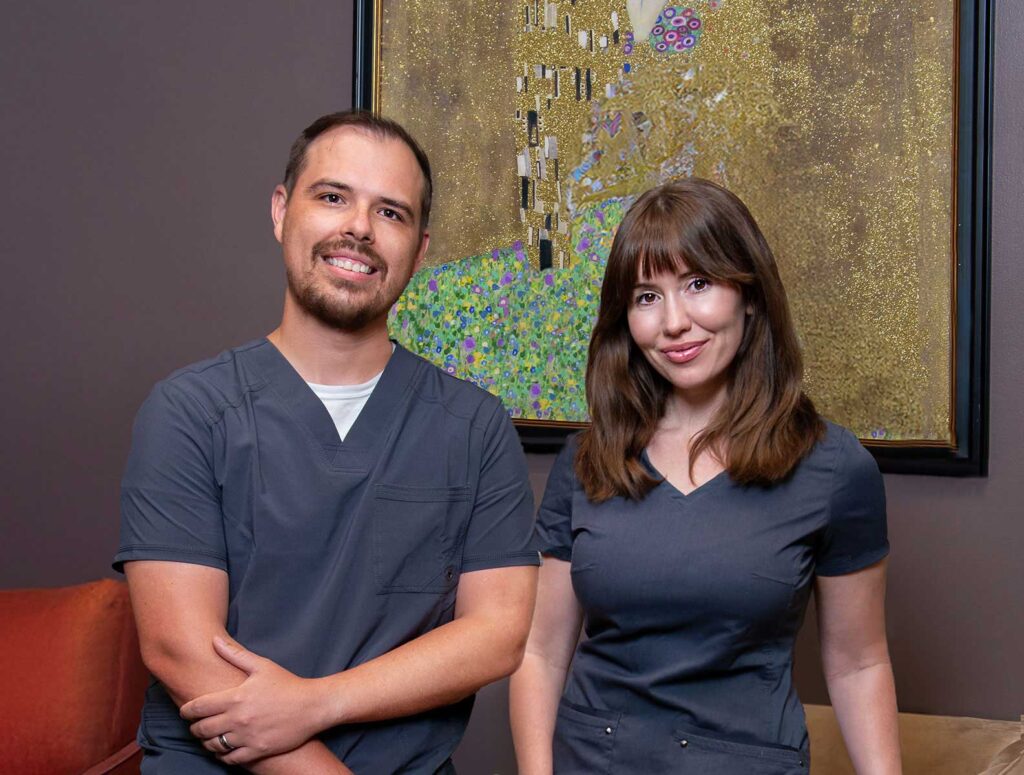
At ONYX Integrative Medicine and Aesthetics, our naturopathic doctors work with patients locally and through telemedicine, when appropriate. Many people come to us for support with hormone balance, thyroid and adrenal concerns, mood and stress, digestive issues, skin concerns, and long term health optimization.
If you are ready for a clear plan and a clinician who takes time to connect the dots, use the questionnaire at the top of this page and then schedule an appointment.
Medical disclaimer: This article is for educational purposes only and does not provide medical advice. Diagnosis and treatment decisions should be made with a licensed healthcare professional. Emergency symptoms require urgent or emergency care.