
What is micro needling?
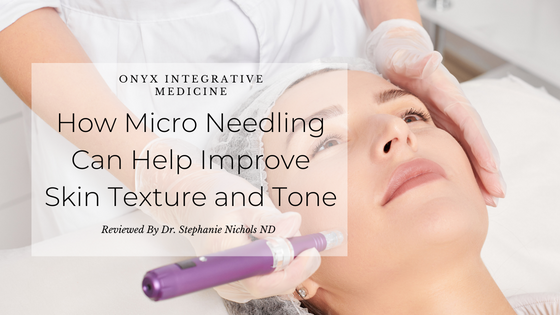
Microneedling is a minimally invasive cosmetic procedure that uses a device with very thin, sharp needles that make tiny holes in the top layer of your skin. Once the body experiences the small pricks of the needle, it goes to work to heal those “cuts”, resulting in a refreshed look. The punctures are made only on the surface-level, so the pain is minimal. Most people get micro needling on their face, but you can also get it on your legs, back, neck or other areas where you notice damaged or aging skin.
Physicians select the exact depth for puncturing that is best for each patient’s skin type and condition and use robotic precision delivery to go as deep as 3.5 millimeters at 0.1-millimeter increments, depending on what microneedling device is used.
The damage caused by the tiny punctures helps to stimulate your skin’s healing process, which produces more collagen and elastin. These proteins keep your skin firm and smooth.
Microneedling is less expensive than laser treatments, which can cost up to four times as much.
According to one study, almost 100 percent of microneedling patients reported a noticeable difference and 80 percent reported a vast improvement in the appearance of their acne scars after treatment.
Who is it for?
People who have concerns about:
- Enlarged pores
- Fine lines or wrinkles
- Mild scars, especially those from acne or burns
- Skin discoloration or uneven skin tone
- Acne or scars from acne
- Reduced skin elasticity
- Stretch marks
- Sun damage
In addition, the procedure has helped people who have medical conditions such as:
- Alopecia (hair loss due to an autoimmune disease)
- Hyperhidrosis (excessive sweating)
Who shouldn’t have microneedling?
Talk to you healthcare provider before getting microneedling if you have any of the following conditions:
- Acne (or are taking medication for acne).
- Blood disorders or are on anticoagulants (drugs that prevent blood clots).
- Cancer and are currently receiving chemotherapy or radiation treatments.
- Frequent skin rashes or cold sores.
- Keloidal tendency (your skin forms hard, raised scars).
- Moles, freckles, skin tags or other growths that change in size or shape or bleed.
- Skin conditions such as eczema or psoriasis.
Benefits
Micro-needling has been shown to enhance the appearance and texture of your skin. The puncturing of the skin stimulates collagen production, which leads to softer, firmer skin. It can also help to minimize post-pregnancy stretch marks, wrinkles and hyperpigmentation. In addition, it can help improve pigmentation, reduce lip lines, acne scars and hair loss. Microneedling doesn’t carry the risk of skin discoloration, unlike some facial rejuvenation procedures that use heat, light or lasers. This makes microneedling ideal for people with darker skin tones.
Recovery time
Microneedling is an outpatient procedure so you can go home once it’s done. The pain level is minimal but your skin might be red and swollen for up to five days. An ice pack applied to the treatment area can help to reduce irritation and discomfort.
Most people can wear makeup the day after the procedure, but you should stay out of the sun until after your skin heals.
In the days and weeks after microneedling, you might notice that your skin burns or feels tight. This is normal. Some people also have dry, flaking skin that improves with moisturizer.
Most people need multiple microneedling treatments, usually about three to eight weeks apart. It can take three to six months to see results. Your healthcare provider will be able to give more information based on your patient’s skin type and goals.
Some patients need to have the procedure once a year for maintenance.
What are the risks of microneedling?
Microneedling is very safe, however, as with any medical procedure, the risks may include:
- It’s not an immediate fix. It takes time for your body to heal so you may not see results after just one treatment.
- Healing time. It may take days or weeks to heal, depending on how deeply the needles pierce your skin.
- Pain and redness. You may have some mild pain after the procedure, and your skin may be red for a few days.
- Peeling. Your skin may feel tight and flake a bit while it heals.
- Bruising and bleeding. There’s usually no bleeding during microneedling but deep microneedling treatments may cause the skin to bleed or bruise.
- Possible scarring. Microneedling is not a good idea for people who have keloids, scars that look like large bubbles on the skin. It could make the condition worse.
- Infection. The risk of infection is very low, however, microneedling creates micro holes in the skin, which could allow germs to enter. If you’re healthy, an infection from microneedling is unlikely.
- Allergic reaction. It’s possible that you could have an allergic reaction to the cream or serum that goes on your skin after microneedling.
Summary:
Microneedling is a safe and minimally invasive cosmetic procedure that can improve the look and feel of your skin. Talk to your healthcare provider about microneedling if you have acne scars, stretch marks or other skin concerns. Most people need multiple treatments over several months to achieve their desired results.
Because microneedling is a cosmetic procedure, it is not covered by insurance. Your doctor will tell you how many treatments you need, and give you an idea as to how much they will cost.
When micro needling is performed properly, there are virtually no risks or downtime. It is only when microneedling is performed improperly that there are serious risks like infections, scarring, hyperpigmentation, and bruising. Always check the credentials and experience of the health professional who will be performing this procedure. You want to ensure that they are licensed and are experienced in performing microneedling with positive results.
Contact Onyx Integrative Medicine and Aesthetics Today!
If you’re looking for a non-invasive way to care for your damaged or aging skin, then Microneedling from Onyx Integrative Medicine and Aesthetics is the perfect solution. We can help provide you with a younger-looking face with minimal downtime.
Rest assured that our procedure is a safe, effective, and affordable alternative to more invasive surgeries. Visit our website if you’d like to set up an online consultation or learn more about what we do.